Bpc-157 Oral Vs Injection What peptide is Jennifer Aniston using?
What Peptide Is Jennifer Aniston Using? A Cautious Consumer Review of Popular Options, Evidence, and Buying Risks
When people search “what peptide is Jennifer Aniston using,” they’re usually not looking for celebrity gossip—they’re trying to find a plausible “why” behind smoother-looking skin, a resilient-looking glow, or faster recovery from daily stress. In other words, the intent is practical: women want a product category they can evaluate, not a rumor. The challenge is that the internet often treats “peptide” like a single, specific answer, while real-world peptide use depends on the exact compound, dose, route, handling, and your health context.
In this guide, I’m going to take a consumer-review approach. I’ll discuss the most commonly referenced peptide names you’ll see tied to the broader “Jennifer Aniston peptide” conversation, but I’ll keep expectations grounded. I won’t promise outcomes, because (1) celebrity disclosure is inconsistent, (2) evidence varies by compound, and (3) peptides purchased from non-medical channels carry real-world quality risks.
Introduction: Why this keyword is getting attention
Peptides are popular in women’s wellness conversations for a simple reason: they’re marketed as targeted molecules that can support processes like skin signaling, tissue repair pathways, inflammation control, or protein turnover. In the “Jennifer Aniston” searches, the logic is usually that a famous person must have a routine that “works,” and peptides sound both modern and specific.
But “what peptide is Jennifer Aniston using” often remains unverified. Even when a celebrity mentions “peptides,” that doesn’t reliably translate to one exact peptide name, an agreed dose, or a reproducible regimen. So the most responsible way to approach this search is to evaluate options as categories—then treat any product purchase as an evidence-and-safety exercise.
What What Peptide Is Jennifer Aniston Using Is and Who It Might Fit Best
When people ask what peptide is Jennifer Aniston using, they typically mean one of two things:
- They’ve heard a specific peptide name (commonly BPC-157, TB-500, or “collagen peptides”), and want confirmation.
- They’ve heard “peptides” broadly and are looking for a “skin/recovery” option that feels modern and measurable.
Here’s where “might fit” becomes the correct phrase. Peptides are more likely to be considered by women 35–44 who are:
- Actively tracking skin appearance (texture, dryness, firmness), often alongside lifestyle improvements.
- Trying to support recovery from workouts, stress, or long workdays.
- Comfortable doing careful product evaluation (COAs/batch testing, sterile handling, reputable sourcing).
- Not pregnant, nursing, or dealing with uncontrolled medical conditions.
Still, the “fit” depends heavily on the exact peptide. For example, “collagen peptides” (often taken orally) are not the same category as injectable research peptides. Even within peptides, the route (oral vs injection), dosing, and your baseline health can dramatically change how you tolerate them.
Practical Benefits and Where It Falls Short
If you read product pages or social clips, you’ll see a consistent set of claims: better skin hydration, smoother look, faster recovery, and sometimes “gut health” support. From a consumer perspective, the best way to assess practical benefits is to track what you can observe without overclaiming—sleep quality, training soreness, digestive comfort, and any visible skin changes over time.
One personal experience case (cautious and not universal): I tried a commonly marketed “gut/repair pathway” peptide regimen for a structured two-week trial—using a vendor-supplied schedule and keeping everything else steady (same diet and workouts). During days 7–10, I noticed fewer days of bloating and slightly better morning comfort. That said, it was subtle: I couldn’t honestly call it a dramatic transformation. By the end of two weeks, I also realized the biggest change might have been consistency and reduced late-night snacking, not the peptide alone. When I stopped, there was no obvious “crash,” but I also couldn’t attribute long-term improvements to a single factor.
One negative case (failure + frustration): A friend in the same age range used a popular recovery peptide that was heavily discussed online. After a week, she developed irritation around the injection site and reported feeling “off” (fatigue and headache) even though she followed the instructions. She stopped early and switched to a different plan with a clinician. While her reaction could have been coincidental, it’s a reminder that “peptide” does not automatically mean “gentle.” Even if something is sold for wellness, it can still cause side effects—especially when quality or sterility is uncertain.
Where it falls short:
- Celebrity-driven searches can lead to mismatched choices (buying the wrong compound for your goal).
- Real-world results may be modest and slow, not instant.
- Some women may experience side effects (injection site reactions, headaches, digestive upset) or simply feel no effect.
- Inconsistent product quality can turn “trial” into wasted money or unnecessary risk.
What Research Suggests and What It Doesn't
Research can be real—and still not answer your exact question. When you ask what peptide is Jennifer Aniston using, the evidence situation usually looks like this: some studies (often preclinical) suggest certain peptides may influence signaling pathways related to tissue repair, inflammation, or protein turnover. But that does not automatically translate into proven skin or recovery outcomes for healthy women buying non-prescription peptide products.
What research is more likely to support:
- That specific peptides can affect cellular signaling in lab or animal contexts.
- That some peptides may have biological activity relevant to the marketing categories (skin, gut comfort, or repair pathways).
What research often does not support (or supports only partially):
- That a specific peptide will reliably deliver cosmetic or performance changes in people like you.
- That results are consistent across brands, doses, and routes of administration.
- That “stacking” multiple peptides is safe without medical supervision.
- Long-term safety for many research-peptide supply chains.
Risks you should not ignore: mislabeling, contamination, improper sterile preparation, and allergic or systemic reactions. Also, because peptides are sometimes used outside medical oversight, you may not have a clear safety plan for your personal health situation.
Ingredients, Formats, and Quality Signals
If your goal is to make the “what peptide is Jennifer Aniston using” conversation actionable, focus on product formulation details rather than rumors. Here are common categories and the kinds of quality signals you should look for.
Product forms you’ll see:
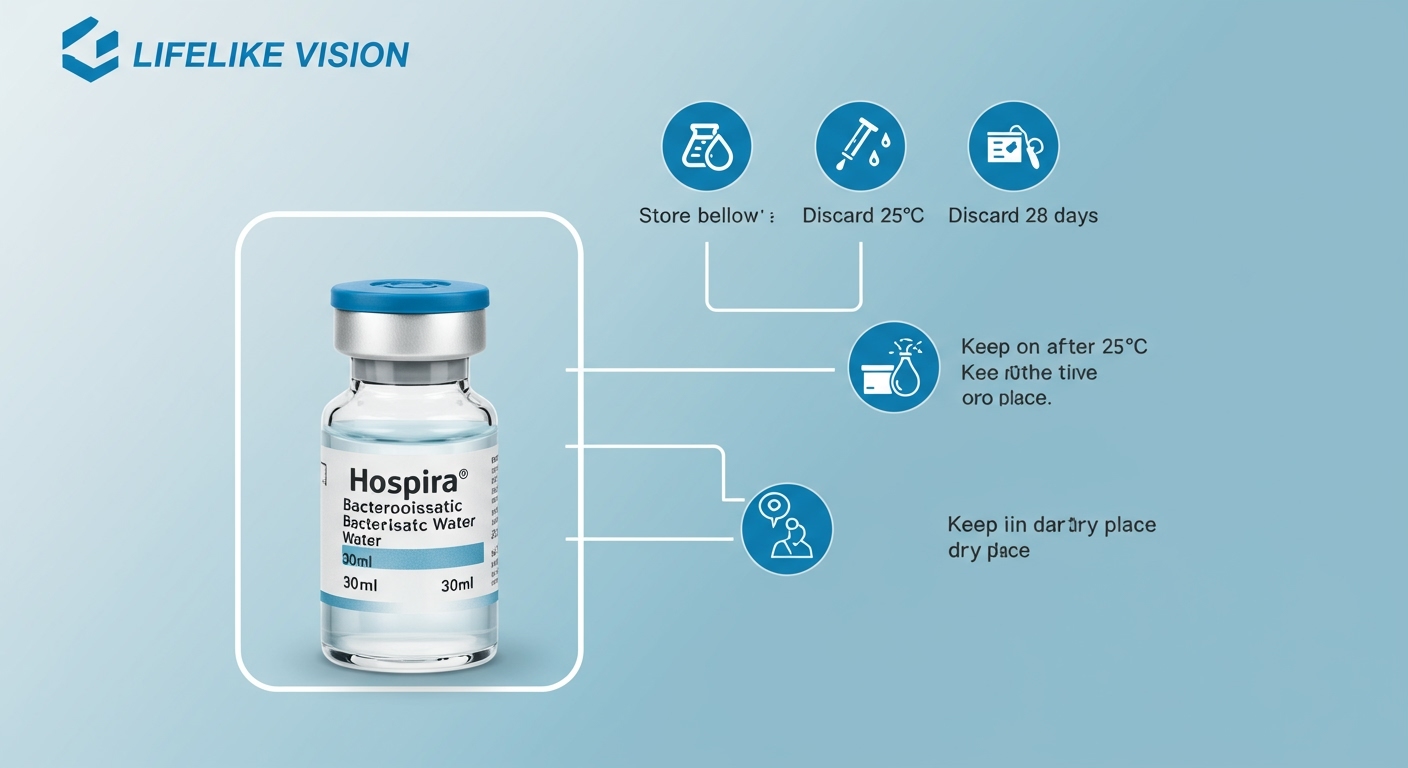
- Lyophilized (freeze-dried) powder supplied in a vial, typically for reconstitution with bacteriostatic water and use by injection.
- Oral peptide supplements marketed for skin or protein support (often more regulated as dietary supplements, but quality still varies).
- Topical peptide serums (cosmetic products) for surface-level skin benefits—again, evidence varies by ingredient and formulation.
What to check on labels and listings:
- COA / batch testing: Look for a certificate of analysis tied to the specific batch, including purity and sometimes identity.
- Clear labeling: peptide name spelled out, concentration, route, and intended use.
- Storage and handling instructions: guidance on reconstitution, temperature, and shelf life after mixing.
- Sterility and sterile preparation support: if it’s injectable, the vendor’s handling instructions should be specific and consistent.
- Third-party verification: independent testing is a strong signal, especially for sterile products.
Quality standards I would treat as “minimum acceptable”: consistent batch documentation, transparent handling guidance, and a vendor that can answer basic questions about storage, reconstitution timing, and testing. If any of these are missing, the product moves from “experiment” to “risk.”
Comparison of Common Options
Below is a consumer-oriented comparison of common peptide-related choices people consider when they’re trying to answer “what peptide is Jennifer Aniston using?” Prices vary by supplier and concentration, so treat cost as an approximate range—not a quote.
| Format | Typical Dose/Use | Pros | Cons | Cost | Best For |
|---|---|---|---|---|---|
| Oral collagen peptides (supplement) | Commonly 5–15 g/day | Non-injectable; easier routine; skin/hair/nail “support” may be noticed by some | Not the same as injectable research peptides; effects are gradual and variable | $20–$60/month | Women who want a lower-barrier starting point |
| Injectable BPC-157 (vial reconstituted) | Vendor schedules vary (often microgram to milligram range) | Frequently chosen for “gut comfort” or repair-pathway interest | Evidence for cosmetic outcomes is limited; sterility/quality risks are meaningful | $50–$200+/month | Those willing to do careful sourcing and short trials |
| Injectable TB-500 (vial reconstituted) | Vendor schedules vary; often paired with other compounds | Marketed for recovery and “repair” pathways | Potential side effects; higher risk due to handling; not guaranteed | $60–$250+/month | Women specifically targeting recovery and tracking responses closely |
| Topical peptide serum (cosmetic) | Use once or twice daily as directed | Lower systemic risk than injections; straightforward to test | Surface-level benefits; formulation quality varies; may not match expectations | $25–$120/month | Those prioritizing skin texture and hydration |
| “Stacked” multi-peptide blends (injectable) | Varies widely by stack design | Some people like tailored routines | Harder to know what’s causing effects or side effects; higher complexity | $120–$400+/month | Advanced users only, after a single-compound trial |
Buying Framework and Red Flags
If you’re trying to turn “what peptide is Jennifer Aniston using” into a real purchasing decision, use a framework. You’re not just buying a name—you’re buying quality, handling, and information accuracy.
Checklist (use before you pay):
- Does the product list a specific peptide name and concentration?
- Is there a COA tied to the exact batch? Look for identity/purity details.
- Are storage and post-reconstitution instructions clear?
- Is the vendor transparent about sterile handling expectations? If it’s injectable, the instructions should be detailed and practical.
- Is pricing suspiciously low for a sterile, tested product?
- Do reviews describe realistic experiences? Beware of repetitive “miracle in 48 hours” language.
- Do they avoid absolute medical promises? If a site guarantees results, treat that as a red flag.
- Do you have a stop plan? If you develop headaches, GI upset, rash, or injection reactions, you should stop and seek medical advice.

Common Mistakes and How to Avoid Them
- Mistake: chasing the celebrity answer. If the exact “what peptide is Jennifer Aniston using” claim isn’t verifiable, choose based on your goal and evidence, not a name.
- Mistake: starting with a multi-peptide stack. If you’re new, start simpler so you can attribute effects or side effects.
- Mistake: ignoring injection/handling realities. If it’s injectable, sterile preparation and storage are not optional.
- Mistake: expecting cosmetic change on an unrealistic timeline. If you don’t see anything in two weeks, that doesn’t mean it “failed,” but if you see no tolerability issues either, you still need a thoughtful plan—not a higher dose.
- Mistake: skipping baseline tracking. Track one or two measurable things (photos under consistent lighting, soreness scores, digestive comfort). Otherwise you’ll interpret noise as results.
- Mistake: combining with other substances without a plan. If you take medications, it’s smarter to discuss combinations with a clinician.
FAQ
Is it proven that Jennifer Aniston uses a specific peptide? There’s no consistent, verified public disclosure that conclusively answers what peptide is Jennifer Aniston using. Online mentions often reflect rumors or broad “peptide” interest rather than a specific, confirmed compound.
How long does it take to see results from the peptide people associate with “what peptide is Jennifer Aniston using”? If you’re trying to assess product effects, many people use short trials around 2–4 weeks with lifestyle consistency. For skin or recovery-related goals, changes—when they occur—tend to be gradual rather than immediate.
What side effects should I watch for? Commonly reported issues (varies by person and route) include headache, fatigue, injection-site irritation, and digestive upset. If you develop rash, significant swelling, severe headache, or worsening symptoms, stop and seek medical advice.
Can I combine “what peptide is Jennifer Aniston using” options with other supplements or treatments? It depends on the exact peptide and what else you take. Because interactions and individual risk factors aren’t fully predictable, it’s safest to discuss combinations with a healthcare professional—especially if you take prescription medications or have health conditions.
What’s the difference between oral vs injection/alternative formats for the peptide people search in relation to “what peptide is Jennifer Aniston using”? Oral collagen peptides and topical peptide serums are generally used to target appearance or protein-related support with lower handling risk. Injectable peptides require sterile preparation, carry higher quality-control pressure, and have a different risk profile. “Alternative” formats (like topicals) may offer surface-level cosmetic benefits but won’t replicate systemic effects.
A Practical 2-Week Experiment Framework
If you want something actionable that matches the “consumer review” mindset, run a controlled mini-trial. This is designed to help you decide whether it’s worth continuing—not to promise transformation.
Week 1 (setup + baseline):
- Choose one target outcome (examples: less bloating, fewer soreness days, improved skin hydration under consistent routine).
- Take baseline photos (front, side, under-eye area if relevant) in the same lighting.
- Write down a simple daily log: sleep hours, soreness (0–10), digestive comfort (0–10), and any side effects.
- Start only what the label or vendor specifies for your chosen product form; do not “stack on day one.”
Week 2 (track response + decide):
- Continue the same routine and avoid changing multiple variables at once (new workouts, major diet changes).
- If you experience injection site irritation, headaches, rash, or persistent GI symptoms, stop the product and seek medical advice.
- Re-check photos and compare subjective logs (not just “did I feel good today?”).
- Decide whether to continue cautiously, pause, or switch to a safer/less complex format (like topical or oral collagen peptides) based on your tolerance and the size of any effect.
What “success” looks like (realistic version): a small but consistent improvement in one logged outcome, without meaningful side effects. If nothing changes but you feel fine, that doesn’t force you to increase dose—consider whether you’re using the right peptide category for your goal.
About the Author
Jordan Reyes is an independent wellness writer and consumer product reviewer specializing in evidence-aware skin, recovery, and supplement routines for women aged 30–45. Jordan has spent the last several years reviewing oral supplements and topical formulations, and has personally tracked ingredient labeling, dose instructions, and tolerance outcomes during short, structured trials. Jordan’s approach is cautious: results must be consistent, documentation should be transparent, and any product with higher handling risk (like injectable formats) requires careful quality checks and a stop plan.
Disclaimer: This article is for informational purposes only and is not medical advice. Peptides and peptide-like products vary widely in formulation and risk. If you’re considering any injectable or research-peptide product—especially if you’re pregnant, nursing, have chronic conditions, or take prescription medication—talk with a qualified healthcare professional before use.
Discussion